


I remember the first nail kit I ever bought. It was cheap, came in a shiny case, and promised everything I needed. Within two months, the cuticle nippers were rusted, the nail file had lost all its grit, and the “professional” gel polish peeled off in sheets. I thought I had saved money. In reality, I had wasted it.
Here’s the truth I learned the hard way: quality matters more than quantity. A few well-made tools will outperform a drawer full of cheap ones every time. Whether you’re a beginner doing your own nails or a professional building a salon kit, knowing how to spot quality supplies saves you frustration, money, and disappointment.
Why Quality Nail Supplies Actually Matter
Let’s start with what quality actually means. A high-quality nail product performs as expected without causing unexpected problems. It stays on the nail reliably and doesn’t negatively impact the natural nail underneath.
Quality isn’t just about how a product looks or performs in the short term. It’s about long-term safety and consistency. A good product will perform consistently, be backed by credible science, and be manufactured to meet safety and regulatory standards.
Using quality nail supplies directly impacts your results. It reduces the risk of allergies, maintains the integrity of your natural nails, and makes application faster and easier. You also waste less time on reapplications and repairs.
Low-quality products often fail in predictable ways. Cheap gel polish may cause excessive heat during curing. Poorly made tools may rust, dull quickly, or have rough edges that can injure skin.
What to Look for in Quality Nail Supplies
When you’re shopping for nail supplies, whether online or in a store, here are the key factors to check:
1. Material Quality
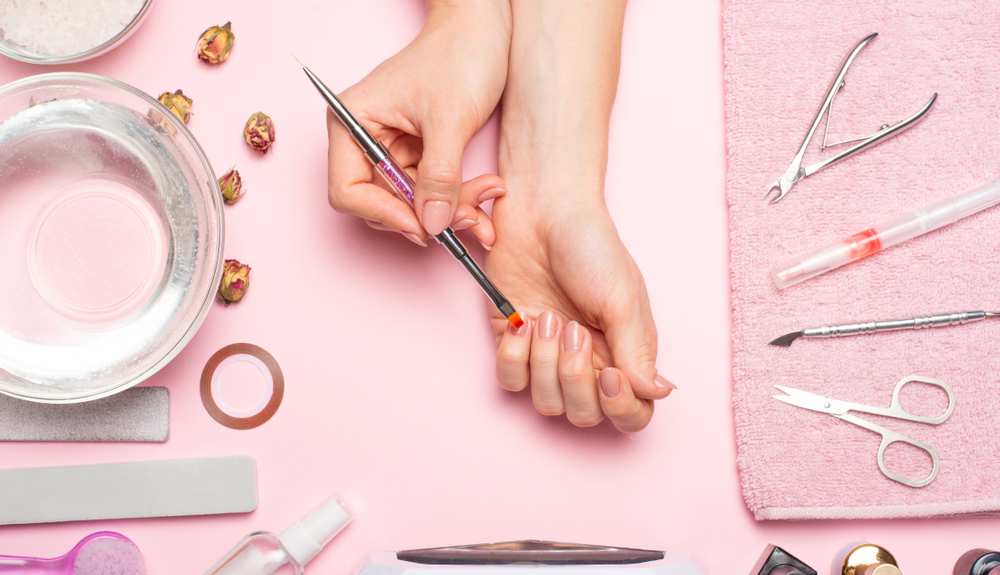
For metal tools like cuticle pushers, nippers, and clippers, stainless steel is non-negotiable. Stainless steel offers exceptional strength, corrosion resistance, and holds a sharp edge. Look for surgical-grade stainless steel. Avoid plated or magnetic tools—they often indicate lower quality that will rust or dull quickly.
For files, glass or crystal files provide a smooth, precise filing experience. They’re gentle on nails and can last for years if cared for properly. Unlike emery boards, they don’t fray or lose grit over time.
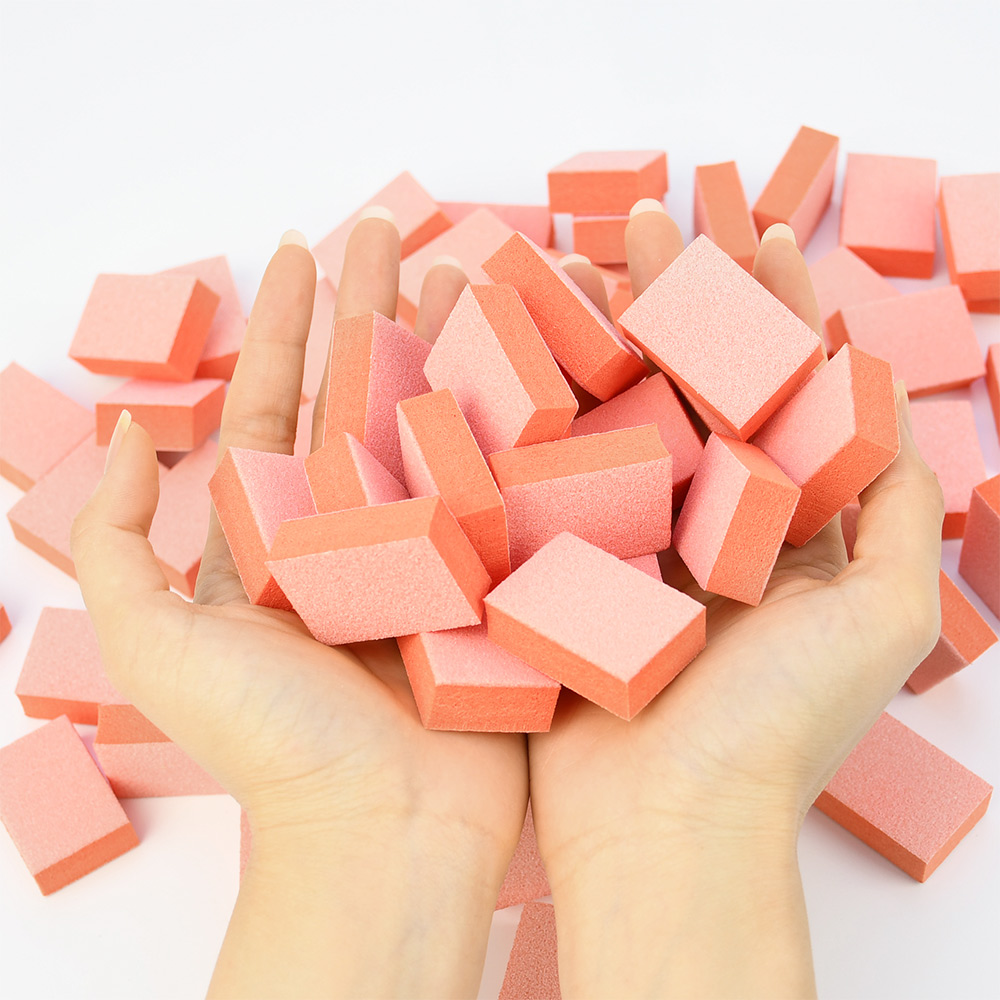
For nail buffers and emery boards, look for consistent grit and flexible backing. Cheap boards can chip, tear, or wear unevenly.
2. Precision and Finish
Quality tools feel solid in your hand. Check for clean edges and smooth finishing. Metal edges should be polished to prevent scratching or cutting skin. Test cuticle pushers, nail clippers, and files for sharpness, smoothness, and effectiveness.
For nippers and clippers, the blades should meet perfectly with no gap. Dull or misaligned tools crush nails instead of cutting cleanly.
3. Ergonomics
If you’re using tools for extended periods, comfort matters. Handles should be ergonomically designed to reduce wrist strain during prolonged use. A tool that hurts your hand is a tool you won’t use.
4. Hygiene and Sterilization Compatibility
Professional tools should be easy to clean and sterilize. Look for autoclavable materials—tools that can withstand high-heat sterilization (typically 250°F or higher). If you’re buying for home use, tools that can be sanitized with disinfectants are fine, but for professional use, autoclave compatibility is essential.
5. Regulatory Compliance
For gels, polishes, and liquid products, check for compliance with safety standards. FDA-compliant products are tested for safety. Avoid products with vague labeling, missing warnings, or ingredients listed in a language you can’t read.
Types of Quality Supplies by Category
Metal tools (cuticle nippers, pushers, clippers): Durable, reusable, autoclavable, and precise. They require regular maintenance but offer consistent performance.
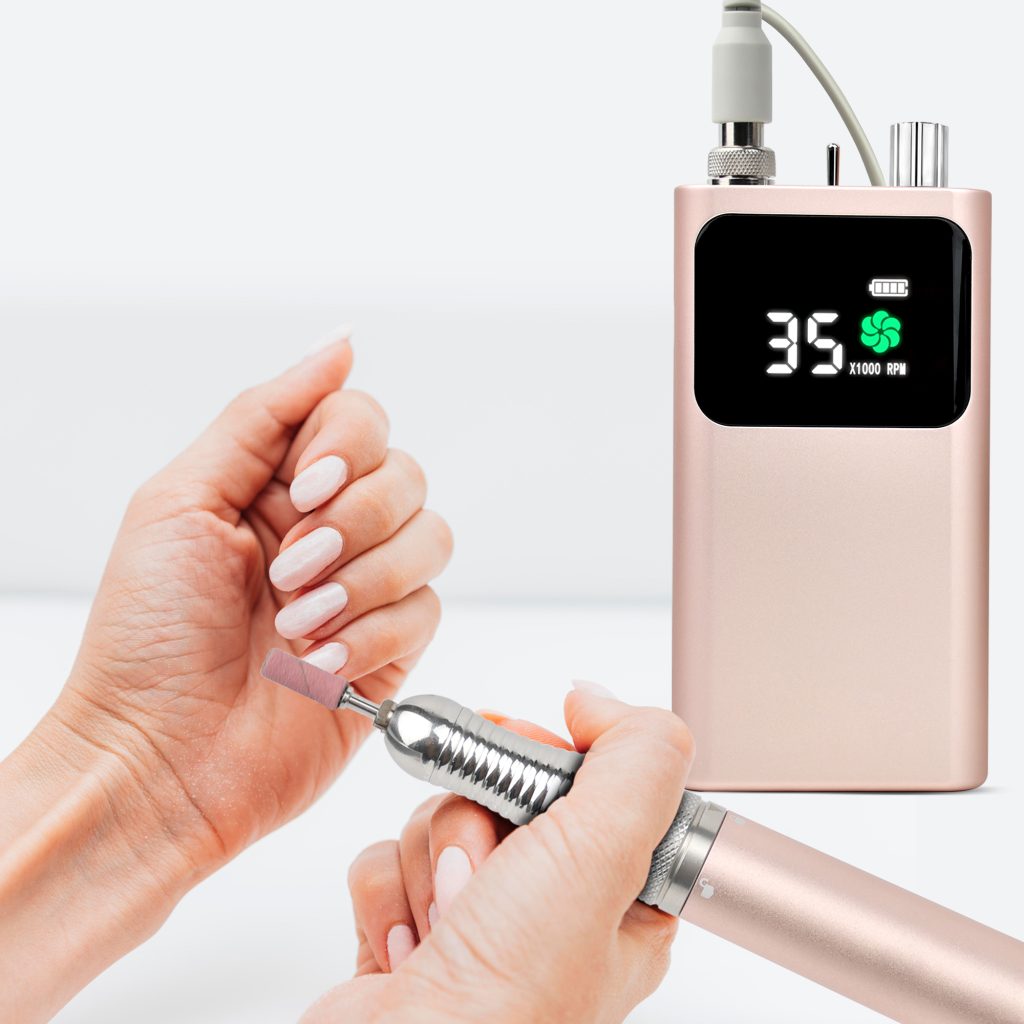
Electric nail files (e-files): Speed up acrylic removal and shaping while reducing physical strain. Look for variable speed control and interchangeable bits.
Gel polishes and UV/LED lamps: Provide long wear (up to 3 weeks) and a glossy finish. The lamp must be matched to the product’s wavelength and cure time—not all lamps work with all gels.
Files and buffers: Glass files offer the best longevity and gentleness. For natural nails, 240 grit is ideal. For refinishing overlays, 180 grit works well. For removing bulk product, 100/150 grit is appropriate—but never on natural nails.
Red Flags to Avoid
Price that seems too good to be true. If a full professional kit costs $8, it’s filled with flimsy, useless items. Quality costs money.
No education or support. If a brand doesn’t offer technical support or education for its products, avoid it completely.
Vague labeling. Products that don’t list ingredients clearly, lack warnings, or have no responsible person listed are often illegal or unsafe.
Rough edges or poor finishing. A tool with burrs, uneven edges, or loose components will fail quickly and may cause injury.
Plastic or cheap metals. Avoid plastic tools that can’t be sanitized and cheap metals that rust.
How to Test Before You Commit
Never place a large order without testing samples first. Here’s how to evaluate:
Functionality test. Use the tool as you would in real work. Does the clipper cut cleanly? Does the pusher glide smoothly?
Durability test. Subject the tools to cleaning, sterilization, and normal use. How do they hold up after a week of simulated work?
Comparison test. Request samples from multiple suppliers. Take notes and photos. Compare sharpness, finish, weight, and comfort.
Real-world trial. Use the product on yourself or a willing friend. Does the gel cure properly? Does the file remove bulk efficiently without creating heat?
The Bottom Line
Quality nail supplies aren’t about luxury—they’re about reliability, safety, and results. A good tool performs consistently, lasts through repeated use, and protects both the technician and the client. A cheap tool saves money today and costs more tomorrow in frustration, wasted time, and potential injury.
Start with the essentials: stainless steel metal tools, glass files, quality gels from reputable brands, and a lamp matched to your product system. Test before you buy in bulk. Pay attention to materials, finish, and ergonomics.
Your nails deserve better than cheap tools. And honestly, so do you.
Read also: Your Guide to At-Home Pedicure Care: From Tools to Toes